Insight3 min readHow we work
Agriculture first: why the farm keeps farming
Productive capacity is the foundation of every property InfraAg owns. Why agriculture comes before anything else.
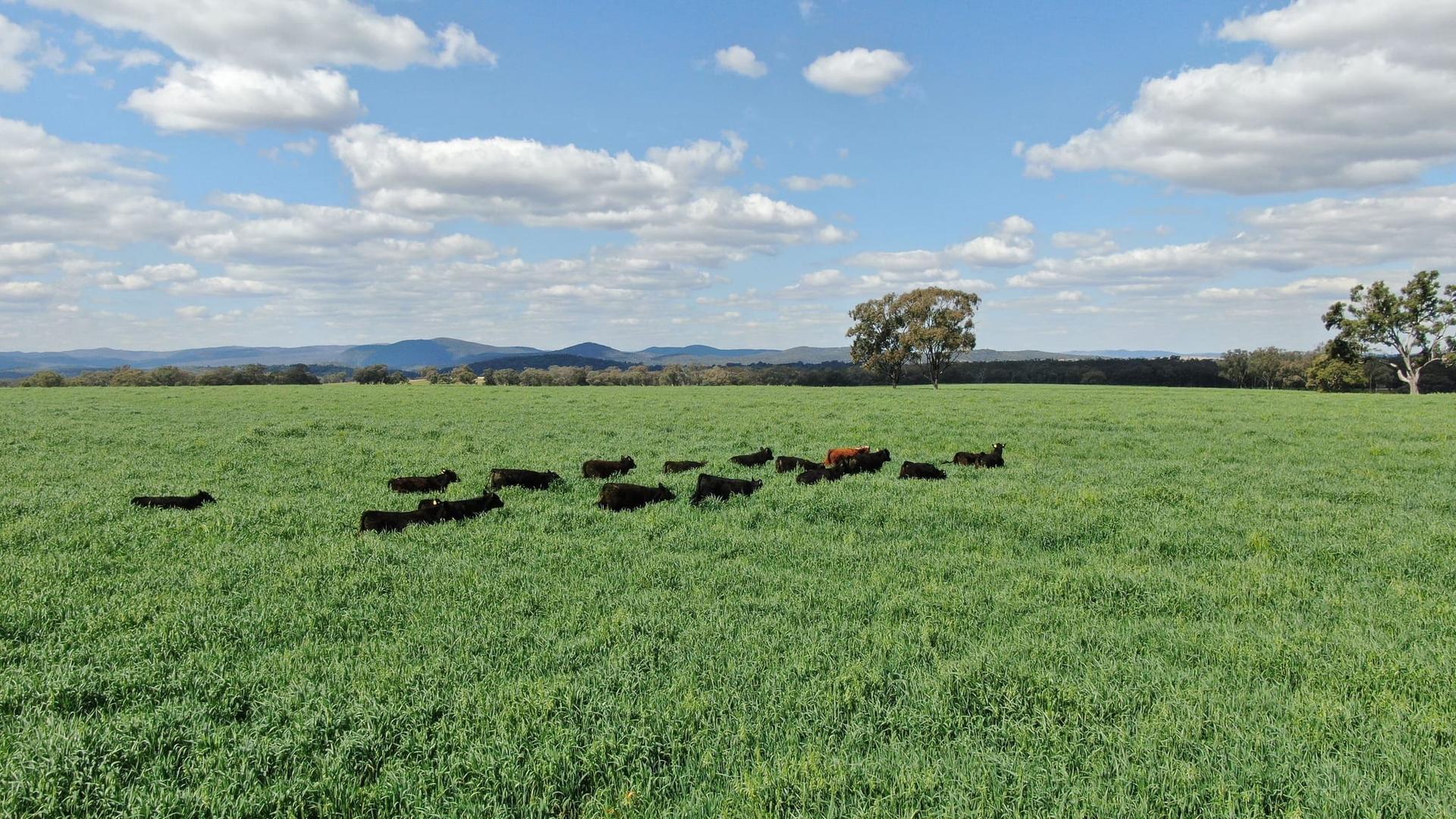
We have a rule that comes before the others. The farm keeps farming.
Whatever else a property might host over time, its agricultural operation continues, and nothing is done that undermines its capacity to produce. This note explains why we hold to that.
It is what the land does today
Agriculture is the use that exists now. It supports an operator and their staff, contributes to a district, and produces something people need. Other uses are possibilities. Some will happen, some will not, and most take years to arrive.
An owner who neglects the present use while waiting for a future one ends up with a run-down property and nothing to show for it if the future use does not eventuate. Keeping the farm in good order is the only position that is sound either way.
It is what the land is always good for
Technologies change. A site that suits one kind of energy project this decade may suit a different one in the next, or none. Policy changes too. Agricultural capacity is more durable than any of these. Good soil, reliable water and sound infrastructure have been valuable for as long as the country has been farmed.
We would be uncomfortable owning land whose value depended mainly on something other than what it can grow.
Most other uses need less land than people think
On a large property, the area required for a substation, a battery or a transmission easement is small. Solar takes more, but is still usually a fraction of a holding and can be sited on the less productive ground. Wind leaves most of the surface available.
That means the choice is rarely between farming and something else. It is about where on the property something else might go, and how it is designed so the operation around it carries on. Access, water, stock movement and biosecurity all need to be thought through with the operator, not presented to them afterwards.
It keeps faith with the district
Rural communities are wary of outside owners, with some reason. The fear is that land will be bought for another purpose, taken out of production, and the families and businesses that depended on it will go.
We understand that concern and we think it is legitimate. A property that keeps running stock or growing crops, employs local contractors and is leased to a respected local operator is part of its community in a way that a fenced-off site is not. That matters to us for its own sake. It is also practical: owners who are trusted find it easier to get things done.
What the rule looks like in practice
- Any new use is assessed first for its effect on the agricultural operation.
- The best agricultural land on a property is the last to be considered for anything else.
- The operator is consulted early and their business is protected in the terms.
- Land that comes out of production for a project has a plan for its return.
- Capital goes into the farm's infrastructure regardless of what else is under consideration.
A note on what this is not
"Agriculture first" does not mean agriculture only. We think some land can and should do more than one job, and that an owner who refuses to consider it is not serving the land or the country well.
It means there is an order of priority, and we know what it is.
© InfraAg Management Pty Ltd ACN 679 804 061. The information on this website is general in nature and is not an offer of securities or financial product advice. See Disclaimer.
Insight
What a proactive landlord does
InfraAg owns land and leases it to operators. What we think the owner's job is, and where it stops.
ReadInsight
Why we lease to operators and don't run the cattle ourselves
InfraAg owns land and leaves the farming to specialist operators. The reasoning behind that division of labour.
ReadInsight
Two needs, one paddock
Australia needs its farmland to keep producing food and to host the energy system that is being rebuilt. Often it is the same land.
Read