Insight3 min readHow we work
Why we lease to operators and don't run the cattle ourselves
InfraAg owns land and leaves the farming to specialist operators. The reasoning behind that division of labour.
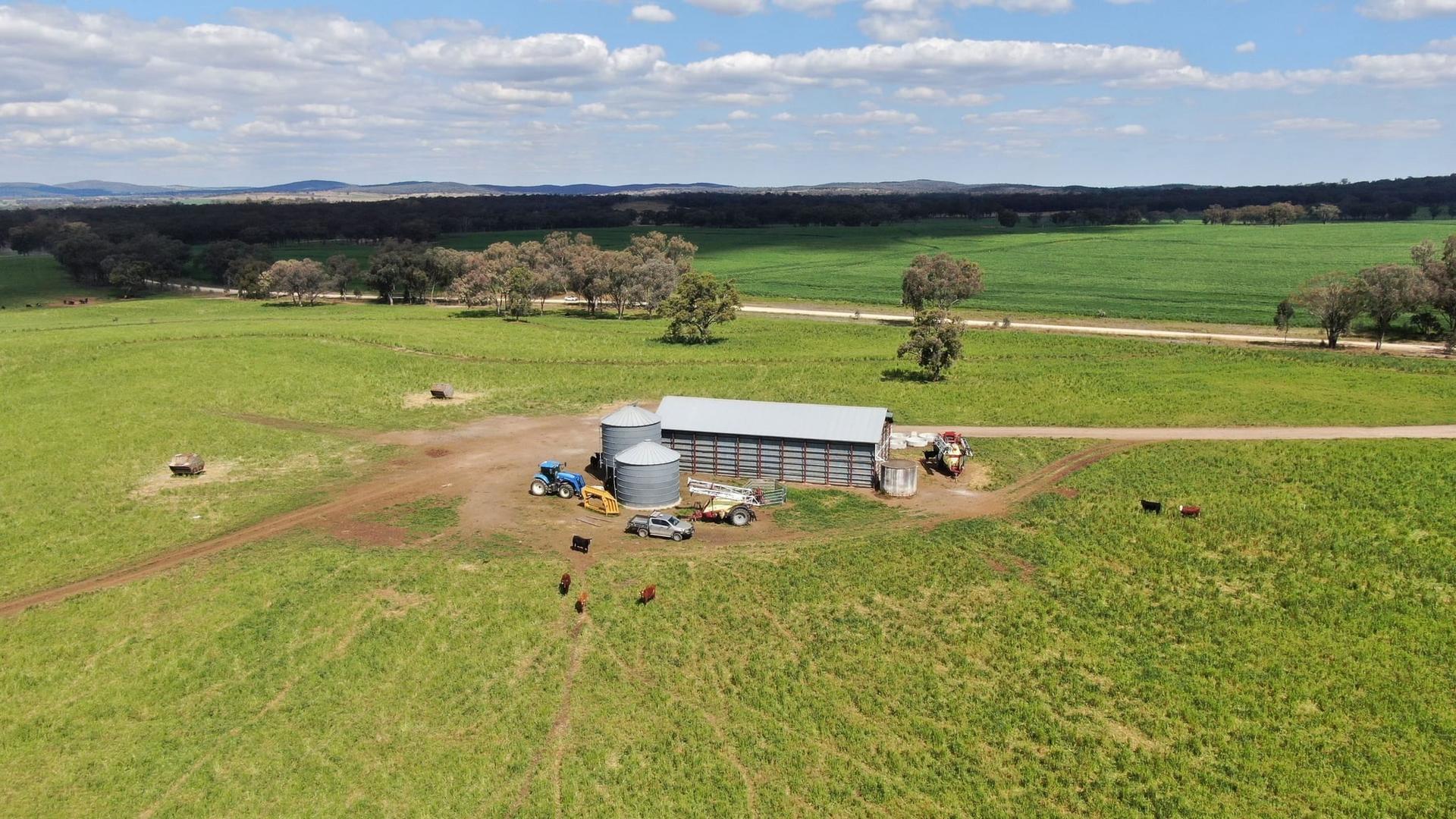
People sometimes ask why a company that owns agricultural land does not farm it. It is a fair question. The answer is that owning land well and running an agricultural enterprise well are different jobs, and we think each is done best by someone who does only that.
Two businesses on one property
Every farm contains two businesses, whether or not they are separated.
One is the land: a long-lived asset that needs capital, stewardship and planning over decades.
The other is the operation: livestock or crops, plant and equipment, working capital, staff, and a great many decisions made every week in response to seasons and markets.
In a family farm the two are combined, often successfully, and held together by a family's commitment across generations. For an owner like us, combining them means doing both with divided attention.
What the operator does better
A good operator knows their trade in a way an owner seldom can. They have their own stock, their own genetics, their own machinery and people. They are in the market every week. They have run through droughts and know what they would do differently. Often they farm other country nearby, which gives them scale and flexibility that a single property cannot.
They also carry the operating risk and earn the operating reward. A lessee running their own business on leased land has every reason to run it well.
What it allows the owner to do
Leaving the operation to a specialist lets us concentrate on the things only the owner can do: understanding the property thoroughly, investing in its infrastructure, planning its long-term use, and doing the careful work on any other use it might host.
It also keeps the company simple. We do not hold livestock or crop inventory, run a machinery fleet or carry seasonal working capital. Our attention and capital go into land.
What makes a lease work
A lease is only as good as the relationship behind it. A few things matter most.
The right operator. Experience, a sound business and a record of looking after country matter more than the last dollar of rent.
Enough tenure. An operator who expects to be there in several years' time will invest in pasture, weeds and soil. One on a short lease has less reason to.
Clear responsibilities. Who maintains what, who pays for what, and what condition the property is to be kept in, written down plainly.
An owner who invests. If the lessee can see the owner spending on water, fencing and yards, they will treat the property accordingly.
Early conversations. If part of the property might be needed for something else, the operator should hear it from us first, with time to plan and with their business protected in the terms.
The trade-off
Leasing is not free of cost. We give up the operating margin in good seasons. We depend on someone else's judgement for how the country is run day to day, which is why choosing the operator is the most important decision we make after buying the land.
We think that is the right trade. It puts each job with the party best able to do it, and it leaves us free to be good at the one thing we set out to do: own strategic agricultural land, and own it well.
© InfraAg Management Pty Ltd ACN 679 804 061. The information on this website is general in nature and is not an offer of securities or financial product advice. See Disclaimer.
Insight
What a proactive landlord does
InfraAg owns land and leases it to operators. What we think the owner's job is, and where it stops.
ReadInsight
Agriculture first: why the farm keeps farming
Productive capacity is the foundation of every property InfraAg owns. Why agriculture comes before anything else.
ReadInsight
Two needs, one paddock
Australia needs its farmland to keep producing food and to host the energy system that is being rebuilt. Often it is the same land.
Read