Insight2 min readEnergy and the grid
Where Australia's electricity demand is heading, in plain terms
AEMO's 2026 Integrated System Plan expects electricity use to roughly double by 2050. A short guide to what is driving it.
Every two years the Australian Energy Market Operator publishes its Integrated System Plan, a 25-year outlook for the National Electricity Market. The 2026 edition was released in late June. It is a long document, so here is the part that matters most for anyone thinking about regional land.
Demand is expected to roughly double
Under AEMO's central scenario, reported consumption across the market rises from about 205 terawatt hours a year today to around 390 terawatt hours by 2050.
For most of the past fifteen years the opposite was true. Grid demand was flat or falling as rooftop solar spread and appliances became more efficient. The outlook has turned, and the reasons are structural.
Three things are driving it
Electrification. Transport, heating and industrial processes that now run on petrol, diesel and gas are moving to electricity. Each one adds load to the grid.
Industry. Coverage of the plan notes that business and industrial demand is forecast to double, from about 140 to 280 terawatt hours by 2050. Electrified industry, hydrogen production and data centres all sit in that number.
Population. More people, more homes, more demand.
Households are the exception. Their net draw from the grid is expected to fall as rooftop solar and home batteries keep growing. The growth is on the commercial and industrial side.
What has to be built
More demand, with coal generators retiring over the same period, means a great deal of new generation and storage. Most of it will be wind and solar, firmed by batteries, pumped hydro and gas. Because the best wind and sun are not where the old coal stations were, the network that connects it all has to be extended too.
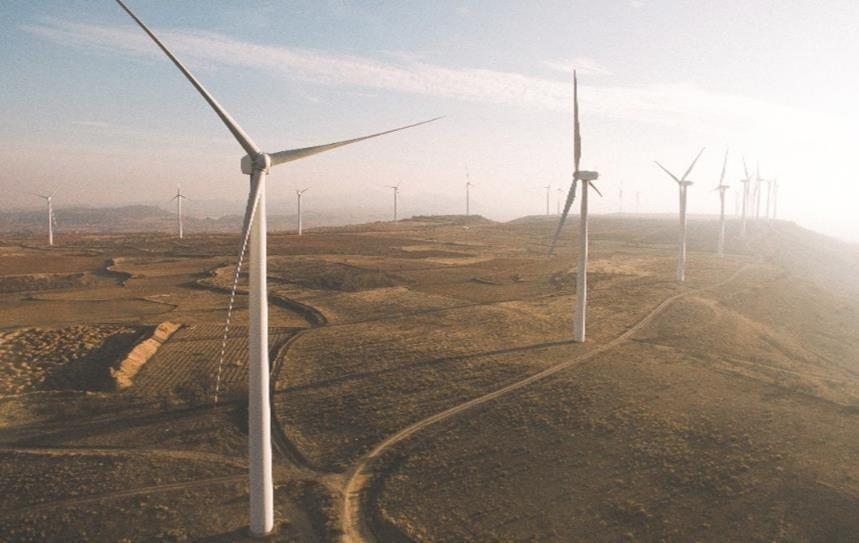
That is the link to land. Wind farms, solar farms, batteries, substations and transmission lines are physical things. They are built in particular places, chosen for the strength of the resource and the network. Many of those places are farming districts.
What we take from it
We are not in the business of forecasting electricity markets, and AEMO itself publishes several scenarios because the future is uncertain. Two points seem safe.
First, the direction is clear even if the pace is not. The system is growing and moving outward into the regions.
Second, the amount of land involved is small against the total area of Australian agriculture, but it is concentrated. A handful of regions with strong resources and network access will see most of the activity. Landowners in those regions will be asked to make decisions their parents never faced.
Owning land in those places well means understanding the plan, and understanding the farm.
Sources
- AEMO, 2026 Integrated System Plan, as reported by W.Media and Energy Networks Australia
© InfraAg Management Pty Ltd ACN 679 804 061. The information on this website is general in nature and is not an offer of securities or financial product advice. See Disclaimer.
Insight
Transmission: why the grid has to go through farming country
AEMO's 2026 plan calls for about 6,000 km of new transmission by 2050. Why it is needed, and why it runs across farmland.
ReadInsight
Data centres and regional land: what is being said, and what is known
Data centres are a fast-growing source of electricity demand. What AEMO has published, and what it means for rural land.
Read